
Anxiety and Addiction Treatment in Virginia

Anxiety and substance use concerns frequently overlap, creating unique challenges that demand specialized treatment. Alpas Wellness provides effective care that addresses both conditions simultaneously.
The warm, healing environment features thoughtful biophilic design elements – living green walls at nursing stations, propagated plants outside each bedroom, and soothing succulents within patient spaces. Passionate, knowledgeable staff deliver evidence-based treatment without an institutional feel or clinical sterility. Each patient receives personalized attention in a setting designed to foster comfort, safety, and lasting transformation.
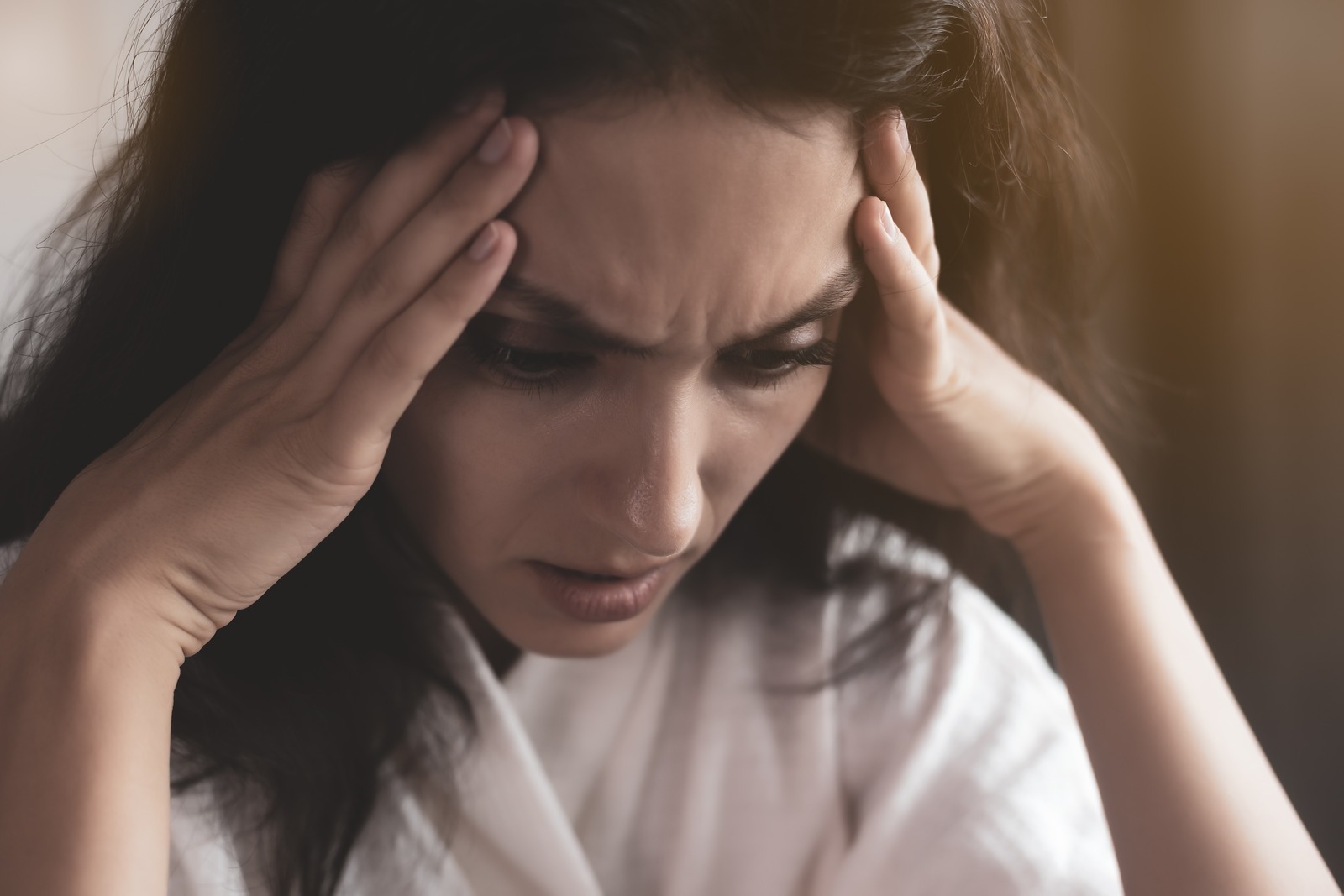
Frequently Asked Questions About Anxiety and Addiction In Virginia
How do anxiety and addiction affect each other?

When anxiety disorders and substance abuse occur together, they create a challenging cycle that complicates recovery. Many people use alcohol or drugs to self-medicate their anxiety symptoms, finding temporary relief that ultimately worsens both conditions. This pattern often leads to dependency as substance use provides a short-term escape while disrupting brain chemistry that regulates mood and stress responses. Professional treatment programs addressing both issues simultaneously show significantly better outcomes than approaches that target only one condition. Evidence-based therapies like cognitive behavioral therapy and dialectical behavior therapy effectively break this cycle by developing healthier coping mechanisms for managing anxiety without substances.
What is dual diagnosis treatment for anxiety and addiction?
Dual diagnosis treatment addresses both anxiety disorders and substance use disorders simultaneously. This integrated approach recognizes that anxiety and addiction often fuel each other. Treatment typically includes individual therapy, group counseling, medication management, and coping skills training. Mental health professionals work with patients to identify triggers, develop healthy coping mechanisms, and create personalized recovery plans that address both conditions.
What makes holistic therapy for anxiety and substance use disorder effective?
A holistic approach to treating co-occurring anxiety and addiction addresses the whole person rather than focusing solely on symptom reduction. This comprehensive methodology integrates traditional evidence-based therapies with complementary practices that support overall wellness and well-being. Treatment plans often combine medication management, when appropriate, with nutrition guidance, physical activity, mindfulness practices, and stress management techniques.
This integrated approach proves particularly effective because it helps rebuild the physical health often compromised by substance abuse while developing sustainable skills for anxiety regulation. Clinicians find that patients engaging in holistic treatment programs often experience improved sleep, reduced cravings, better emotional regulation, and more sustainable recovery outcomes.
Can 12-step for anxiety work alongside DBT for anxiety in addiction treatment?
Yes, these approaches complement each other effectively in comprehensive treatment programs. 12-step programs provide valuable community support, accountability, and spiritual components that many find essential for long-term recovery from substance abuse and anxiety. Meanwhile, DBT for anxiety offers specific skills training in mindfulness, distress tolerance, emotion regulation, and interpersonal effectiveness that directly addresses the psychological mechanisms underlying both anxiety disorders and addiction.
When combined thoughtfully within a treatment plan, these modalities create a powerful framework for recovery. The structure and peer support of 12-step meetings reinforce the practical skills learned in DBT, while DBT provides concrete techniques for managing the emotional challenges that arise during the 12-step recovery process. Virginia treatment centers increasingly recognize the value of this integrated approach for addressing co-occurring disorders.

Anxiety. (2020, May 22). MedlinePlus; National Library of Medicine. https://medlineplus.gov/anxiety.html on May 9, 2025
Mayo Clinic. (2018, May 4). Anxiety Disorders – Diagnosis and Treatment – Mayo Clinic. Mayoclinic.org; Mayo Clinic. https://www.mayoclinic.org/diseases-conditions/anxiety/diagnosis-treatment/drc-20350967 on May 9, 2025
Smith, J. P., & Book, S. W. (2008). Anxiety and Substance Use Disorders: A Review. The Psychiatric Times, 25(10), 19. https://pmc.ncbi.nlm.nih.gov/articles/PMC2904966/ on May 9, 2025
American Psychiatric Association. (2023, June). What Are Anxiety Disorders? American Psychiatry Association. https://www.psychiatry.org/patients-families/anxiety-disorders/what-are-anxiety-disorders on May 9, 2025