
Depression and Addiction Treatment in Virginia, Alpas Wellness NOVA

Updated On: October 2, 2025
3 min read
Written by:

Amanda Stevens, B.S.

Many people struggling with addiction also face depression, creating a frustrating cycle where each condition feeds the other. Medical professionals now recognize that treating these issues separately rarely works. Instead, they require a coordinated approach that tackles both problems at once.

Virginia treatment centers have developed specialized programs that combine psychiatric care, addiction medicine, and behavioral therapies to help patients break free from this pattern. These programs teach patients practical skills for managing depression symptoms while also addressing the underlying factors that drive substance use. Alpas Wellness offers this integrated treatment approach in Virginia, providing patients with the comprehensive care needed to overcome both depression and addiction.
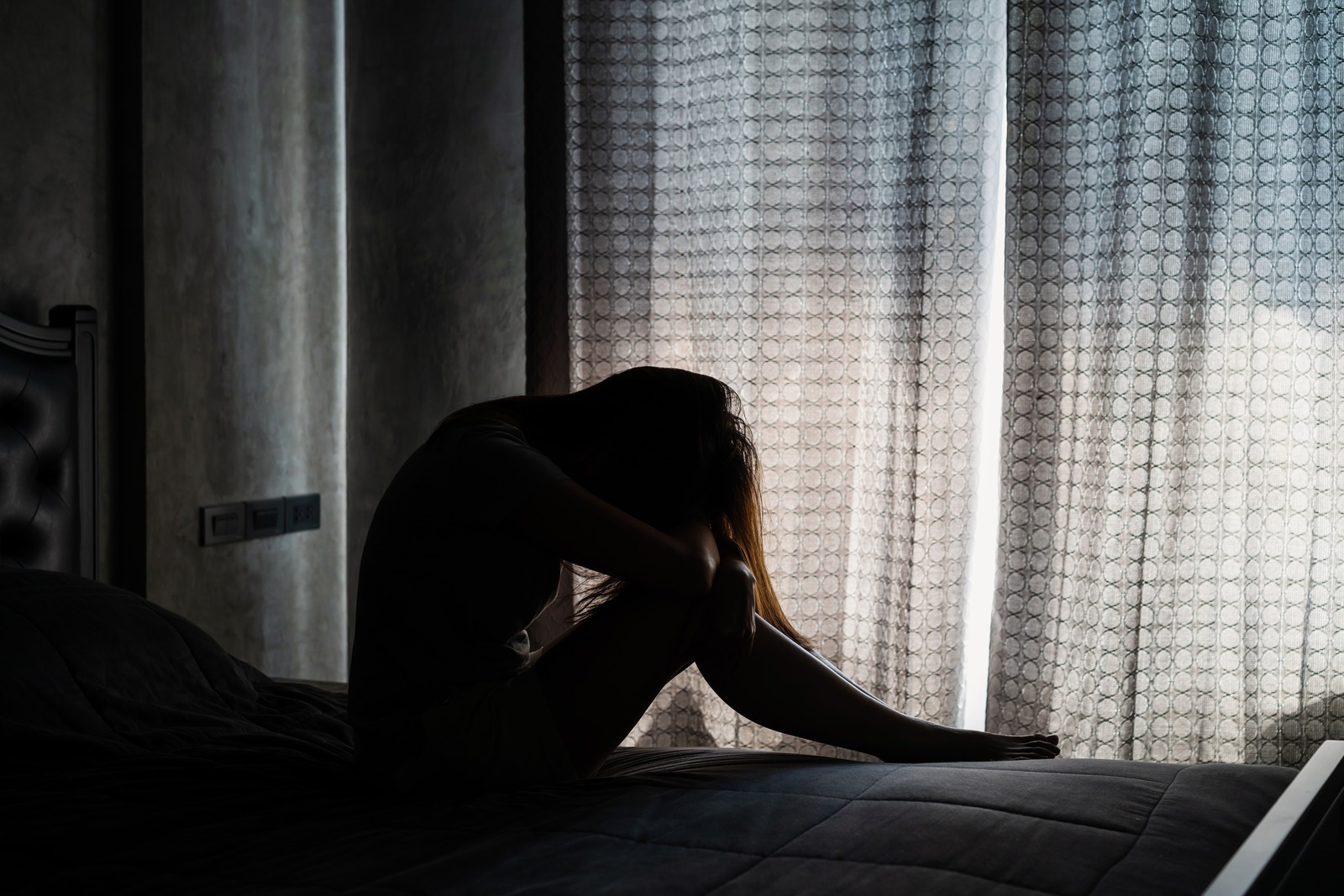
Depression and Substance abuse

Key Points

  • Depression causes persistent feelings of sadness and hopelessness that affect daily functioning, sleep, appetite, and concentration.
  • Drug and alcohol addiction creates a destructive cycle with depression, where people self-medicate symptoms but ultimately worsen their mental health.
  • Several types of depression exist, including major depressive disorder, seasonal affective disorder, and substance-induced depression.
  • Alpas Wellness NOVA provides integrated treatment for co-occurring depression and addiction through multiple levels of care and evidence-based therapies.
Jump to Section

    What Is Depression?

    Depression affects millions of people, causing persistent feelings of sadness, emptiness, and hopelessness that last for weeks or months at a time.[1] This condition changes how a person thinks, feels, and functions in daily life. Physical symptoms often accompany the emotional ones, including changes in sleep patterns, appetite fluctuations, chronic fatigue, and unexplained aches and pains. Depression can make simple tasks feel overwhelming, drain motivation, and create difficulty concentrating or making decisions.

    The condition impacts brain chemistry and neural pathways, affecting the production and regulation of neurotransmitters like serotonin and dopamine.[2] Anyone can develop depression, though certain factors increase risk, including family history, major life stressors, chronic illness, and substance use. Depression exists on a spectrum from mild to severe, with symptoms varying significantly between people. The condition often begins gradually, making it difficult for people to recognize when stress or sadness has crossed into something more serious. Without treatment, depression typically worsens over time, affecting work performance, relationships, and overall quality of life.

    Drug/Alcohol Addiction and Its Interaction with Depression

    Drug and alcohol addiction involves compulsive substance use despite harmful consequences.[3] People with addiction lose control over their consumption, experience intense cravings, and continue using even when it damages their health, relationships, and careers. The brain’s reward system becomes hijacked, prioritizing substance use over basic needs and responsibilities. Physical dependence develops, leading to withdrawal symptoms when people try to stop using.

    Depression and addiction frequently occur together, with each condition reinforcing the other.[4] Many people use drugs or alcohol to self-medicate depression symptoms, seeking temporary relief from emotional pain, negative thoughts, or feelings of emptiness. This creates a destructive cycle where substance use temporarily masks depression but ultimately worsens mood symptoms. As addiction progresses, it causes additional problems that deepen depression, including social isolation, financial stress, and guilt about substance use.

    Take the First Step Toward Recovery

    Our representatives are standing by 24-7 to help you start healing today.

    What Are Some Common Depressive Disorders?

    Depression encompasses several distinct conditions that share core symptoms but differ in their patterns, triggers, and duration. Mental health professionals identify these various forms to provide more targeted treatment approaches. Each type of depression has unique characteristics that affect how it develops, progresses, and responds to different interventions.[5]

    • Major Depressive Disorder: A common form of depression, with intense symptoms lasting at least two weeks that significantly impair daily functioning.
    • Persistent Depressive Disorder: Involves chronic depression lasting two years or longer, with symptoms that may be less severe but create ongoing challenges.
    • Seasonal Affective Disorder: Occurs during specific times of year, typically winter months, when daylight hours decrease.
    • Postpartum Depression: Affects women after childbirth, involving intense mood symptoms.
    • Premenstrual Dysphoric Disorder: Causes severe depression symptoms during the week or two before menstruation.
    • Substance-induced Depression: Results directly from alcohol, drugs, or certain medications.
    • Depression due to Medical Conditions: Develops as a result of physical health problems like thyroid disorders, chronic pain, or neurological diseases.

    How Alpas NOVA Treats Addiction and Depression

    The healing journey at Alpas Wellness in Virginia addresses the complex relationship between depression and substance use through specialized, integrated treatment. This state-of-the-art facility transforms recovery with thoughtfully designed spaces featuring biophilic elements and natural light that support emotional well-being. Professional staff tackle both conditions simultaneously, breaking the destructive cycle where untreated depression fuels substance use and addiction deepens depressive symptoms.

    Levels of Care

    • Detox Placement: Medically supervised detoxification with 24/7 nursing support in specialized units designed for comfort and safety during withdrawal from substances that often worsen depression.
    • Partial Hospitalization Program: Intensive daytime treatment combining therapy for depression and substance use while maintaining connection to support systems outside the treatment facility.
    • Intensive Outpatient Treatment: IOP for depression offers flexible scheduling that allows patients to maintain work, school, or family commitments while receiving essential care for both mental health and addiction.

    Evidence-Based Treatment Approaches

    • Cognitive-Behavioral Therapy: CBT for depression helps patients identify and transform negative thought patterns that contribute to substance use and depressive symptoms, creating healthier coping mechanisms.
    • Dialectical Behavior Therapy: DBT for depression teaches crucial skills in mindfulness, distress tolerance, emotion regulation, and interpersonal effectiveness for those struggling with intense emotions and mood instability.
    • Group Therapy: Group therapy for depression provides peer support and shared learning experiences where patients explore mood triggers, addiction patterns, and recovery strategies together.
    • Motivational Interviewing: Strengthens personal motivation for change by exploring and resolving ambivalence about both depression treatment and substance use recovery.
    • Contingency Management: Reinforces positive behaviors like treatment participation and mood tracking through tangible incentives within the recovery journey.
    • Motivational Enhancement Therapy: Builds internal motivation for addressing both depression and addiction through focused, goal-oriented counseling sessions.
    • Experiential Therapy: Holistic therapy for depression incorporates non-traditional approaches like art, music, mindfulness, and nature-based activities to process emotions and develop new perspectives on mental wellness.
    • Relapse Prevention: Equips patients with specific strategies to identify depression triggers, manage substance cravings, and develop healthy coping skills for long-term recovery.
    • Twelve-Step Facilitation: Introduces patients to community support programs while addressing both addiction recovery and depression management principles.
    Share this post on your social networks:

    Ready to get help for you or a loved one? Contact us

    Editorial Guidelines At Alpas Wellness

    To ensure accuracy and quality, every contributor to the Alpas Wellness resource library undergoes a thorough evaluation of their experience, credentials, and achievements prior to publication.

    Frequently Asked Questions About Depression and Addiction

    01

    How can I help a loved one struggling with both depression and addiction?

    icon

    Supporting a loved one with co-occurring depression and substance use requires understanding and appropriate resources. Encourage them to seek professional mental health treatment at a specialized treatment center that addresses both conditions. Recovery centers, like Alpas Wellness NOVA, offer comprehensive assessments to develop personalized treatment plans. Health care professionals can recommend the appropriate level of care, from intensive inpatient programs to flexible outpatient services. Evidence-based therapies help address anxiety disorders, personality disorders, and other mental illnesses that may complicate recovery. Participate in family therapy sessions to learn about the treatment process and develop healthy communication strategies.

    02

    What are the signs that someone needs professional help for depression and addiction?

    icon

    When depression symptoms persist alongside substance abuse patterns, professional intervention becomes essential. Warning signs include using drugs or alcohol to cope with feelings of sadness, isolation from family and friends, and declining performance at work or school. Physical symptoms like sleep disturbances, appetite changes, and chronic fatigue, combined with increased substance use, indicate that dual diagnosis treatment is needed. Mental health treatment should begin when these patterns interfere with daily functioning or when self-medication attempts fail to provide relief.

    03

    How long does treatment for co-occurring depression and addiction typically take?

    icon

    Treatment duration varies based on individual needs and the severity of both conditions. Initial detox may last three to seven days, followed by 30 to 90 days of intensive treatment through inpatient or IOP programs. Long-term recovery requires ongoing outpatient treatment, including therapy sessions and medication management for several months or years. Aftercare planning ensures continued support through group therapy and relapse prevention strategies. Most depression treatment centers in Virginia recommend at least one year of active participation in recovery programs to establish stable mental health and sustained sobriety.

    04

    What are the best resources for overcoming depression and addiction in Virginia?

    icon

    The best resources for overcoming depression and addiction in Virginia include local community resources (see local treatment guides here), individual and group therapy, meditation-assisted treatment, 12-step programs, professional treatment, holistic and lifestyle interventions, and peer support.

    Sources
    icon
    [01]

    Sawchuk, C. (2022, October 14). Depression (Major Depressive Disorder). Mayo Clinic; Mayo Foundation for Medical Education and Research. https://www.mayoclinic.org/diseases-conditions/depression/symptoms-causes/syc-20356007 on May 12, 2025

    [02]

    Harvard Health Publishing. (2022, January 10). Depression: Chemicals and communication. Harvard Health. https://www.health.harvard.edu/depression/depression-chemicals-and-communication on May 12, 2025

    [03]

    Cleveland Clinic. (2023). Addiction. Cleveland Clinic. https://my.clevelandclinic.org/health/diseases/6407-addiction on May 12, 2025

    [04]

    National Institute of Mental Health. (2024). Substance use and co-occurring mental disorders. National Institute of Mental Health. https://www.nimh.nih.gov/health/topics/substance-use-and-mental-health on May 12, 2025

    [05]

    Information, N. C. for B., Pike, U. S. N. L. of M. 8600 R., MD, B., & Usa, 20894. (2020). Types of depression. In www.ncbi.nlm.nih.gov. Institute for Quality and Efficiency in Health Care (IQWiG). https://www.ncbi.nlm.nih.gov/books/NBK279288/ on May 12, 2025

    Begin Your Recovery Journey Today